
Why Hands-Busy Activities Matter in Everyday Family Life
By The ArtsBot Team ·
Family life is full of in-between moments. The time after school. The wait before dinner. A long journey. A quiet afternoon at home. These are often the moments when children become restless, fidgety, or unsettled.
In many of those moments, children do not necessarily need more noise or more stimulation. Often, they simply need something for their hands to do.
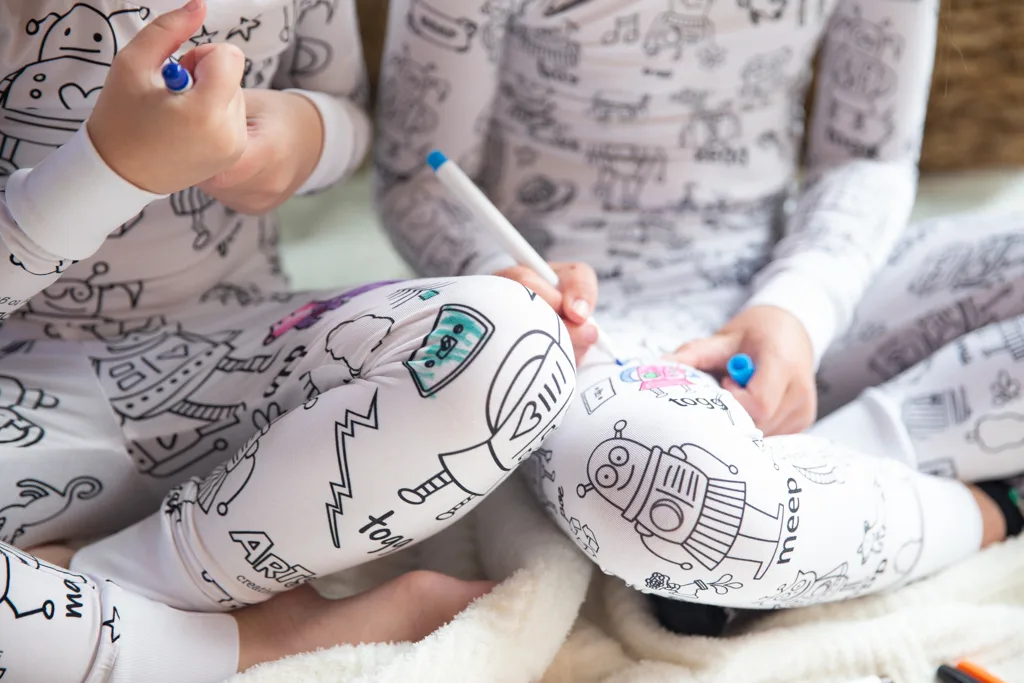
Hands-busy activities give children a steady, practical way to focus their energy. Colouring, decorating, threading, sticking, and simple making can help turn a restless moment into a calmer one. Instead of bouncing from one thing to the next, children have something active and manageable to concentrate on.
That is part of what makes hands-on creative play so valuable. It is not just about keeping children occupied. It gives them a sense of purpose. Their hands are busy, their attention has somewhere to go, and the moment often feels easier for everyone.
Why busy hands can help
Some children regulate themselves better when they are doing something physical and focused. Hands-busy activities can help slow things down in a natural way. There is a rhythm to drawing, placing stickers, colouring shapes, or working through a simple project. That rhythm can be settling, especially during parts of the day that tend to feel chaotic.
Unlike passive entertainment, hands-on activities ask children to take part. They make choices, notice details, and stay involved in what they are doing. That active engagement is often what makes the activity feel more grounding.
When they are most useful
Hands-busy activities can be especially helpful during the everyday moments that are hardest to fill well. After school, when children are tired but not ready to switch off. Before dinner, when everyone is trying to get through the last stretch of the day. While travelling, waiting, or sitting through adult errands.
These are not always moments that need a big activity. Often, something small works best. A simple creative task can be enough to help a child settle, refocus, and stay engaged.
What kinds of activities work best
The most useful hands-busy activities are usually simple, low-mess, and easy to begin. Colouring pages, sticker activities, decorating projects, and other self-contained crafts tend to work well because they do not require lots of setup or lots of help.
This is where ready-to-use craft kits can be especially helpful. The ArtsBot kits are designed to be compact, screen-free, and easy for children to get started with, which makes them well suited to everyday family life. Instead of needing lots of separate materials, children can focus on making something straight away, whether that is at home, on the go, or during one of those tricky in-between parts of the day.
That simplicity matters. In everyday family life, the best activities are often the ones children can pick up quickly and enjoy without too much instruction or interruption.
A simple part of family life
Hands-busy activities do not need to be complicated to be valuable. Sometimes a small creative project is enough to change the feel of a moment. It can bring a little more calm, a little more focus, and a little less friction to the day.
That is one reason screen-free craft activities can work so well. The ArtsBot’s kits are designed around that kind of easy, hands-on creativity, with compact all-in-one formats and travel-friendly options. Products such as the Make Your Own Donut Tote also give children something practical to create and use, which fits naturally into everyday family life.
Sometimes, what children need most is not more entertainment. Just busy hands and something meaningful to make.
Keep reading

Stress-Free Travel With Kids: How Travel Activity Kits Can Help Kids Feel Calm and Confident
Traveling with kids can be exciting but getting there isn’t always easy. Long flights, airport delays, unfamiliar places, crowded terminals, and hours in the car can leave children bored, restless, or anxious. The good news? ArtsBot kits are designed to give kids a creative activity they can take with them wherever they go. No glue. No scissors.

DIY Crafts for Kids: Easy, Creative, Screen-Free Activities with ArtsBot
Looking for DIY crafts for kids that are fun, easy, creative, and screen-free? ArtsBot makes it simple for children to turn creative time into a hands-on adventure.

How Squishies Can Help Children Manage Anxiety: The Sweet Benefits of The ArtsBot Cupcake Squishie
The ArtsBot Cupcake Squishie combines creativity, sensory play, and screen-free fun in one delightful activity, helping children express themselves while enjoying moments of calm.


